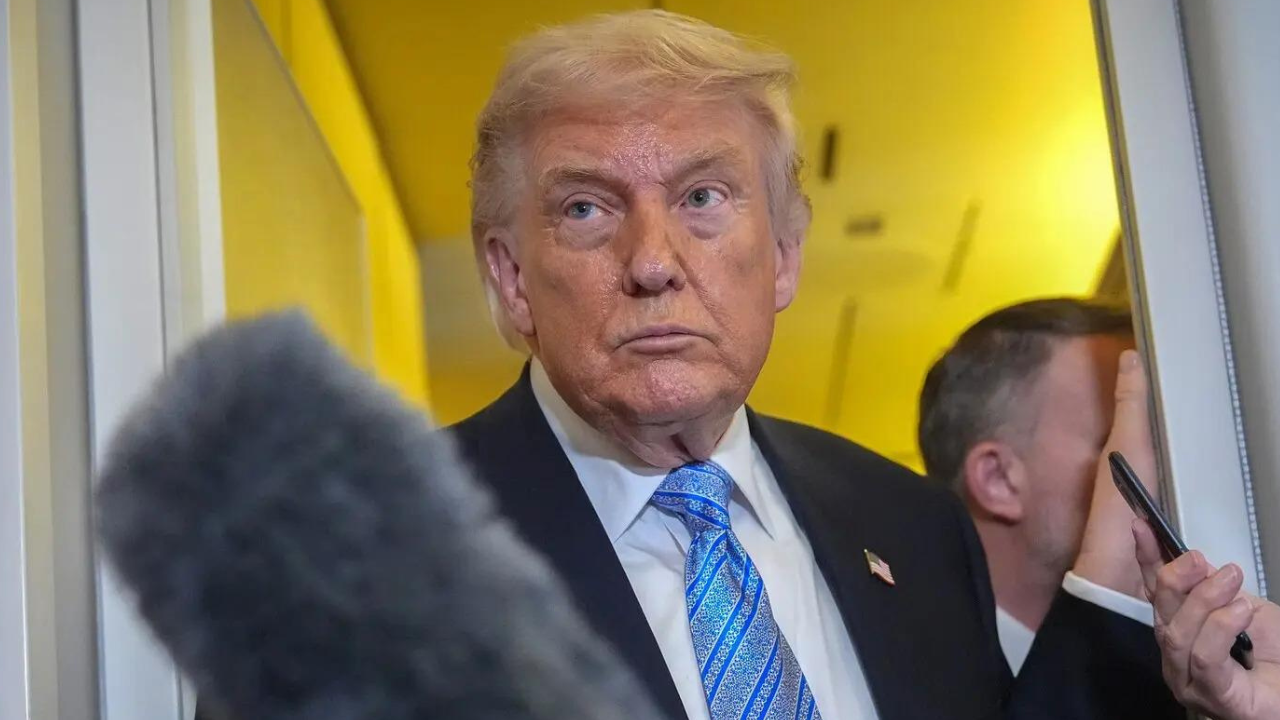
The United States is considering renewed military action against Iran, with top aides preparing options for President Trump as he returns from his visit to China. The move comes as pressure mounts on the US to address the escalating tensions with Tehran, which have been simmering for months. The possible military action could include intensified bombing and potential Special Operations deployments, marking a significant escalation of the conflict.
The developments come as Iran signals its readiness for conflict, with the country's military leaders warning of a strong response to any US aggression. The Strait of Hormuz, a critical waterway for global oil supplies, remains a major concern, with any disruption to shipping lanes potentially having far-reaching consequences for the global economy. The US has been seeking to build a coalition of allies to counter Iranian influence in the region, but so far, the response has been lukewarm, leaving the US to consider unilateral action.
The renewed tensions between the US and Iran have significant implications for global stability, with the potential for conflict to spread beyond the Middle East. The US has been seeking to exert pressure on Iran through economic sanctions, but Tehran has shown little sign of backing down, and the situation remains highly volatile. As the US weighs its options, the international community is watching with bated breath, hoping to avoid a conflict that could have catastrophic consequences for the region and beyond.
The US decision to consider renewed military action against Iran is likely to be influenced by a range of factors, including domestic politics and the need to demonstrate strength in the face of Iranian aggression. However, the risks of escalation are high, and the potential consequences of conflict are far-reaching. As the situation continues to unfold, one thing is clear: the world is holding its breath, waiting to see what the next move will be in this high-stakes game of diplomatic brinksmanship.




Comments (0)